

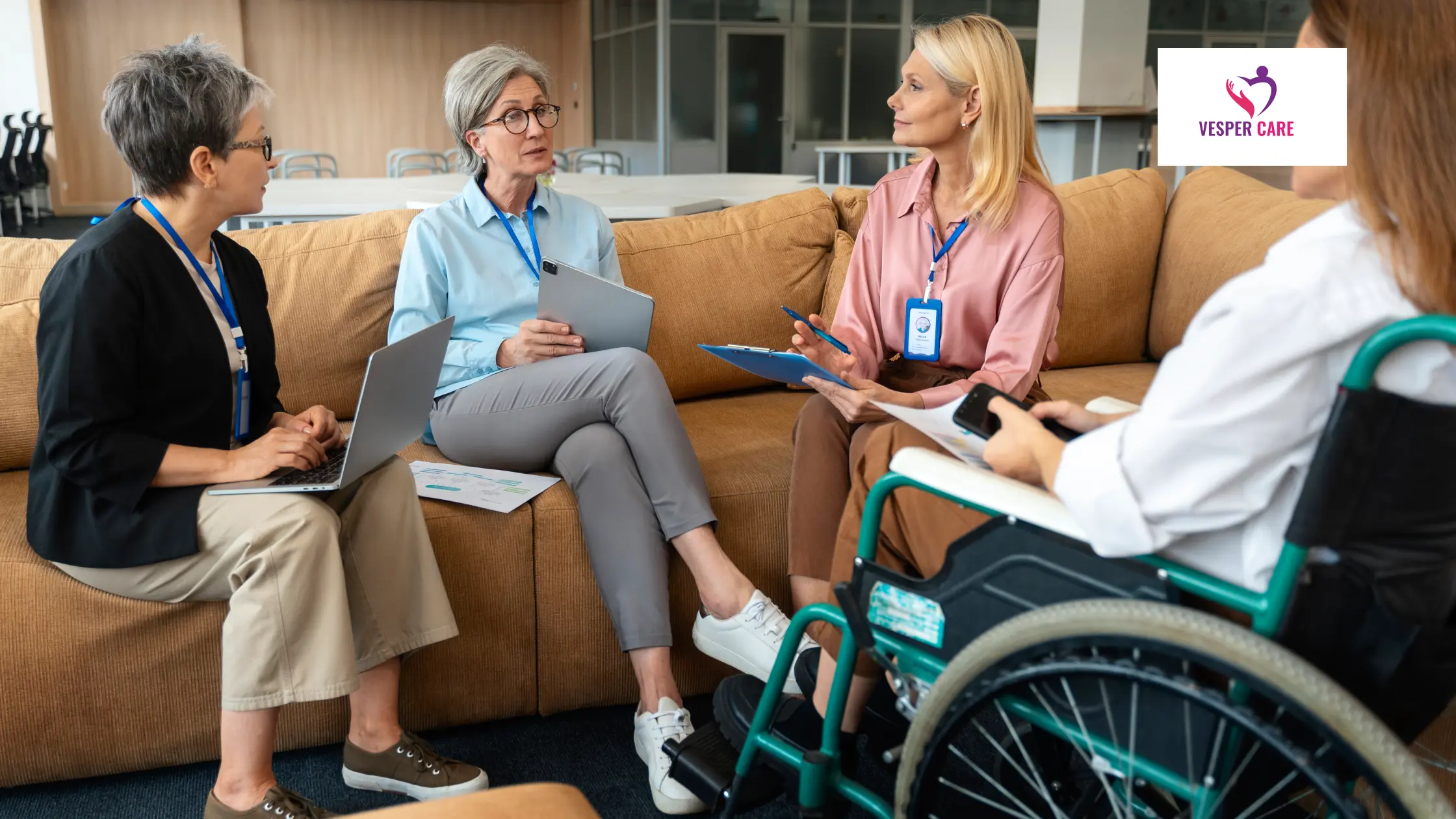
How to Choose NDIS Group/Centre Activities? A Complete Guide
Group activities for NDIS participants offer a unique opportunity to engage with the community and enhance social skills. They are delivered in a supportive environment where everyone can comfortably share their experiences and feel valued as part of a group. This engagement helps reduce isolation and foster a sense of belonging in those who participate.
The NDIS funds several group-based activities, including art, fitness, gardening, yoga, discussion groups, board games, and movie nights, among others. Participants have the freedom to choose any of them. However, it’s also important to select the right activity that aligns with the individual’s interests. Doing so creates a more enjoyable experience for everyone involved while supporting personal growth. In this blog, we’ll discuss the key factors that can help make the best choice when it comes to group-based activities by the NDIS.
Why Are Group Activities Valuable?
NDIS-funded group activities allow participants to interact with others, make new friends and develop skills. The support is delivered in a safe environment where they can engage without any judgement. It offers many benefits, including improved communication skills, increased confidence and better health. Participating in these programs can help you live a more independent life.
Key Factors to Consider When Choosing NDIS Group Activities
Finding a suitable NDIS group activity in the community is vital for enhancing overall well-being. Considering your interests, goals, and preferences is the first step to choosing an activity that brings you real happiness. Aside from that, there are many aspects to consider, including:
Discover Your Interests
Participants are more likely to look forward to each session for the activities that deeply resonate with their passions. This promotes a profound sense of joy and satisfaction. Therefore, take some time to reflect on personal preferences and interests before choosing one.
-
Creative pursuits
For those who love to express themselves creatively, music-making, painting, gardening and crafting are perfect options.
-
Sports and Recreation
Individuals who like staying active can seek out programs that focus on physical exercise. These include yoga, hiking, swimming, sports, and bike riding.
-
Social Gatherings
Movie nights, group discussions, and volunteering are wonderful choices for participants who value socialising over structured activities. So, look for programs that include regular movie nights, camping, discussion gatherings or other social events.
-
Check Accessibility
The next step involves ensuring the program is accessible. Doing so will make a world of difference in the participant’s engagement and overall enjoyment. Visiting the facility to assess the premises firsthand is a great way to confirm that the environment meets individual preferences. Here is a checklist that can expedite the process:
- Check for ramps and wide doorways
- Verify that the restrooms are designed for wheelchair or mobility aid accessibility
- Make sure pathways are easy to navigate
- Check the availability of pick-up and drop-off options
- Consider whether the venue is close to reliable public transport
- Confirm the availability of language interpreters for participants with hearing impairments
Review Staff Qualifications
The support staff directly influence the quality of service delivered during NDIS group activities in a centre. So, it’s best to look for the following things:
- Workers with relevant qualifications and certifications in the disability sector
- A team that’s compassionate and empathetic
- Programs that show genuine care for people with disabilities
- Trained professionals who make participants feel valued and included
Assess the Group Size
Some participants who feel overwhelmed in a large gathering may prefer choosing activities organised in smaller groups. A calm environment can make the overall experience more comfortable. Moreover, fewer people allow support staff to provide more personalised attention. This ensures that each participant’s needs, preferences, and pace are respected.
On the contrary, large groups offer an opportunity for diverse social interactions. The activities performed together foster a sense of belonging and are good for building meaningful connections. Therefore, it’s important to consider the individual’s comfort level when selecting group sizes.
Explore Diverse Options of Activities
To make the most out of NDIS-funded group activities, consider a wide range of options that align with different interests, abilities and goals. Variety keeps things fresh and engaging. A well-rounded program should consist of a mix of creative, physical and skill-development pursuits. These could include dance sessions, art classes, sports, exercise routines, budgeting, cooking, etc.
Read Reviews and Feedback
When searching for NDIS centre-based activities, reviews can accelerate the decision-making process. Reading feedback from other participants and families provides insights into program quality, staff support and overall satisfaction. You can find what others are saying about a particular activity through social media platforms, Google reviews and discussion forums.
Check the Centre and Environment
It’s also important to observe the physical and social environment of the facilities that host group activities for NDIS participants. Factors such as cleanliness, safety, atmosphere, and community feel can greatly impact the overall experience. Therefore, don’t forget to verify these details when visiting the premises.
Understand the Costs
Being aware of the financial aspects of NDIS centre-based activities helps participants make confident choices. Check what your funding will cover and whether there are any extra charges to factor in. Furthermore, choose programs that explain the costs in detail.
Identify Opportunities for Personal Growth
It’s always a good idea to participate in programs that focus on personal growth and offer lasting benefits. For example, learning skills such as cooking or budget management can make everyday living easier. Similarly, joining activities that encourage teamwork can help build long-term friendships. Look for NDIS providers, like Vesper Disability Care, that personalise their sessions to meet the goals of each participant.
How to Get Started with Group Activities for NDIS Participants?
The 9 tips mentioned above will help people with disabilities or their caregivers find suitable NDIS group activities in the community. After that, they can follow these steps to include the support in their plan:
- Consult a Plan Manager and Support Coordinator for assistance
- Explore local opportunities based on needs and interests
- Check the environment of the facility
- Attend trial sessions, if provided
- Continue active participation
Seek feedback and adjust the plan accordingly
Why Should You Choose Vesper Disability Care?
Vesper Disability Care offers tailored group activities for NDIS participants in Melbourne. We cover daily living skills, social skills, recreational activities, mindfulness and relaxation, group discussion, physical fitness and more. All our programs are designed to encourage community involvement. Our staff is compassionate and supports participants at every step. Additionally, we ensure a safe and comfortable environment that is accessible to people with limited mobility or cognitive abilities.
Are You Ready to Join NDIS Group Activities? Contact Our Team Today!
Discover NDIS-funded group activities in Melbourne that bring joy, connection, and personal growth. At Vesper Disability Care, there’s something for everyone with unique interests and abilities. Let our team help you find the perfect program. To book an appointment, feel free to call us on 0433 790 102 / (03) 7015 3884. Alternatively, you can also drop us your enquiries at admin@vespercare.com.au.


